LANGUAGE
 English
 Español
 عربى


Your roof is one of the few building components that works for decades without being touched. When you compare the cost of a metal roof with a conventional asphalt shingle roof, the sticker price mak...
READ MORE
Chen Yuhan — International Sales Manager
Home / Author / Chen Yuhan — International Sales Manager / 210 Model Square Metal Roofing Tile: A Durable and Flexible Solution for Distinctive Roof Design
210 Model Square Metal Roofing Tile: A Durable and Flexible Solution for Distinctive Roof Design
Update:20 Sep 2026
Content
- 1 Product Overview
- 2 Distinctive Fish-Scale and Dragon-Scale Appearance
- 3 Material Options for Different Project Requirements
- 4 Performance Advantages
- 5 Design Flexibility for Complex Roof Forms
- 6 Comparison with Common Roofing Alternatives
- 7 Manufacturing Capabilities and Quality-Oriented Production
- 8 Installation and System Coordination
- 9 Applications in Architecture
- 10 Color, Finish, and Architectural Coordination
- 11 Sustainability and Long-Term Value
- 12 Maintenance and Service Life Considerations
- 13 Technical Specifications
- 14 Why Choose This Product for a Competitive Roofing Project?
- 15 Company Manufacturing and Service Strengths
- 16 Recommended Project Evaluation Process
- 17 Questions and Answers
- 17.1 What is the 210 Model Square Metal Roofing Tile?
- 17.2 What materials are available?
- 17.3 What thicknesses can be selected?
- 17.4 Are the fasteners visible?
- 17.5 Can it be used on curved roofs?
- 17.6 Is the product suitable for high-end architectural projects?
- 17.7 How does it compare with conventional corrugated metal roofing?
- 17.8 How does it compare with heavy traditional tiles?
- 17.9 Does the roof require regular maintenance?
- 17.10 Can custom sizes be produced?
- 17.11 Can the manufacturer provide installation support?
- 17.12 What types of buildings are most suitable for this product?
- 18 Conclusion
- 19 References
- 20 Product: 210 Model Square Metal Roofing Tile
Modern architecture increasingly demands roofing materials that do more than protect a building from rain, wind, sunlight, and temperature changes. Roofs are now important visual elements that influence the identity, character, and long-term value of residential, commercial, cultural, and public buildings. Designers and building owners want materials that combine reliable weather resistance with refined appearance, installation flexibility, low maintenance requirements, and a long service life.
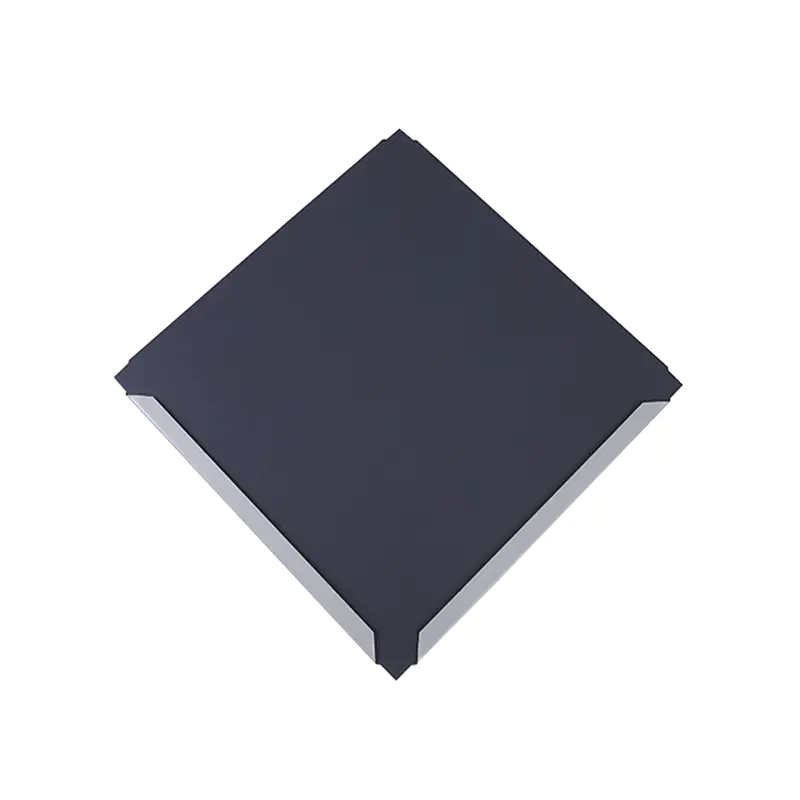
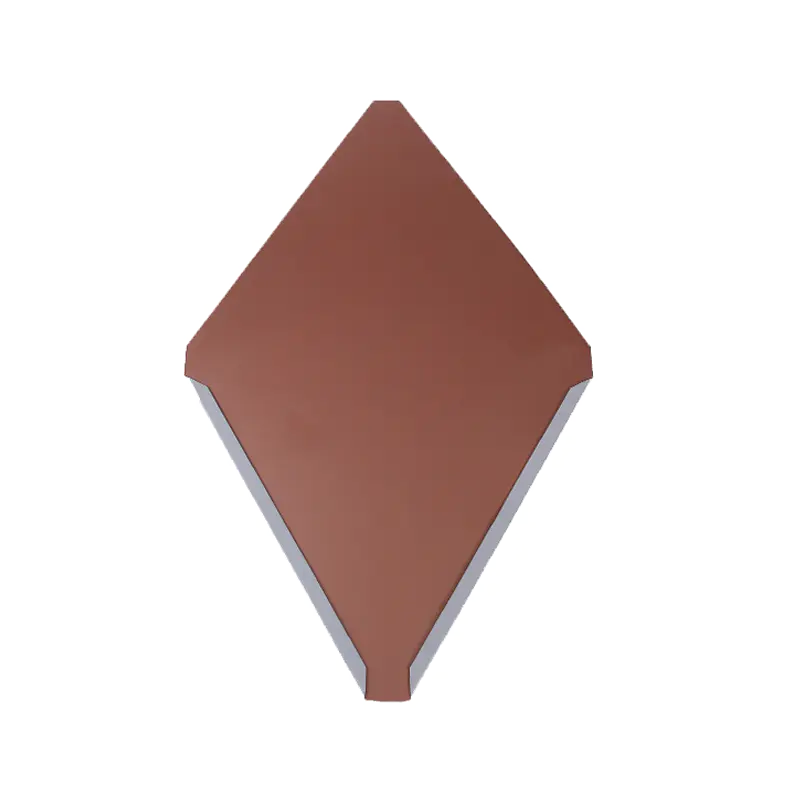
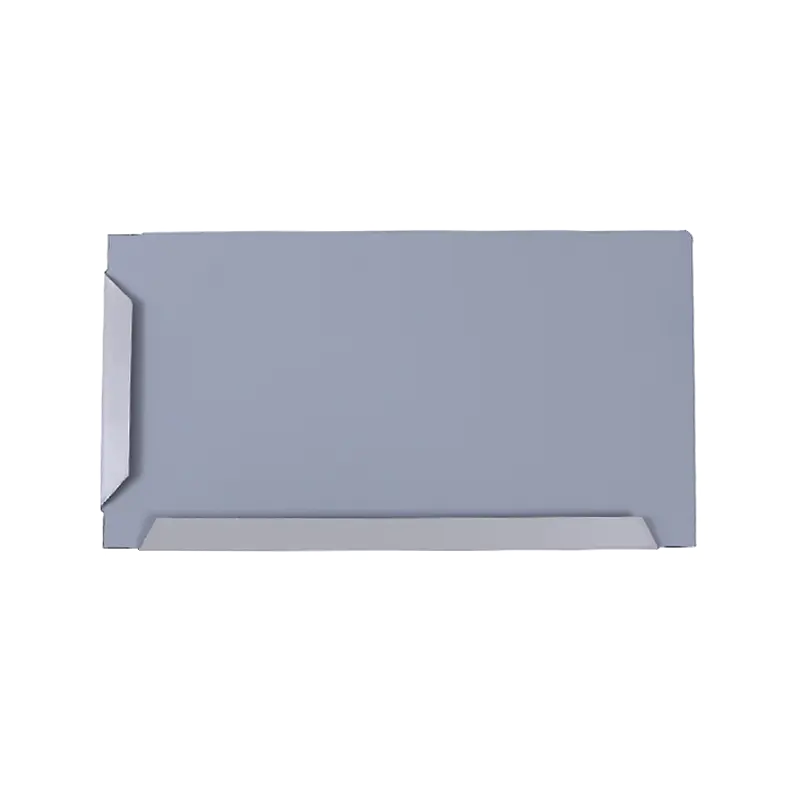
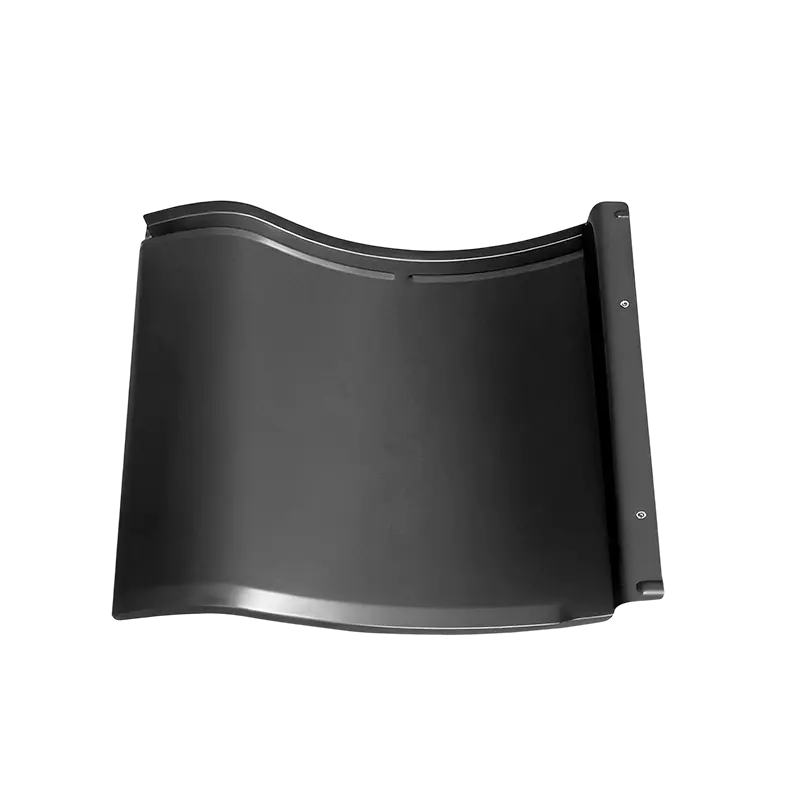
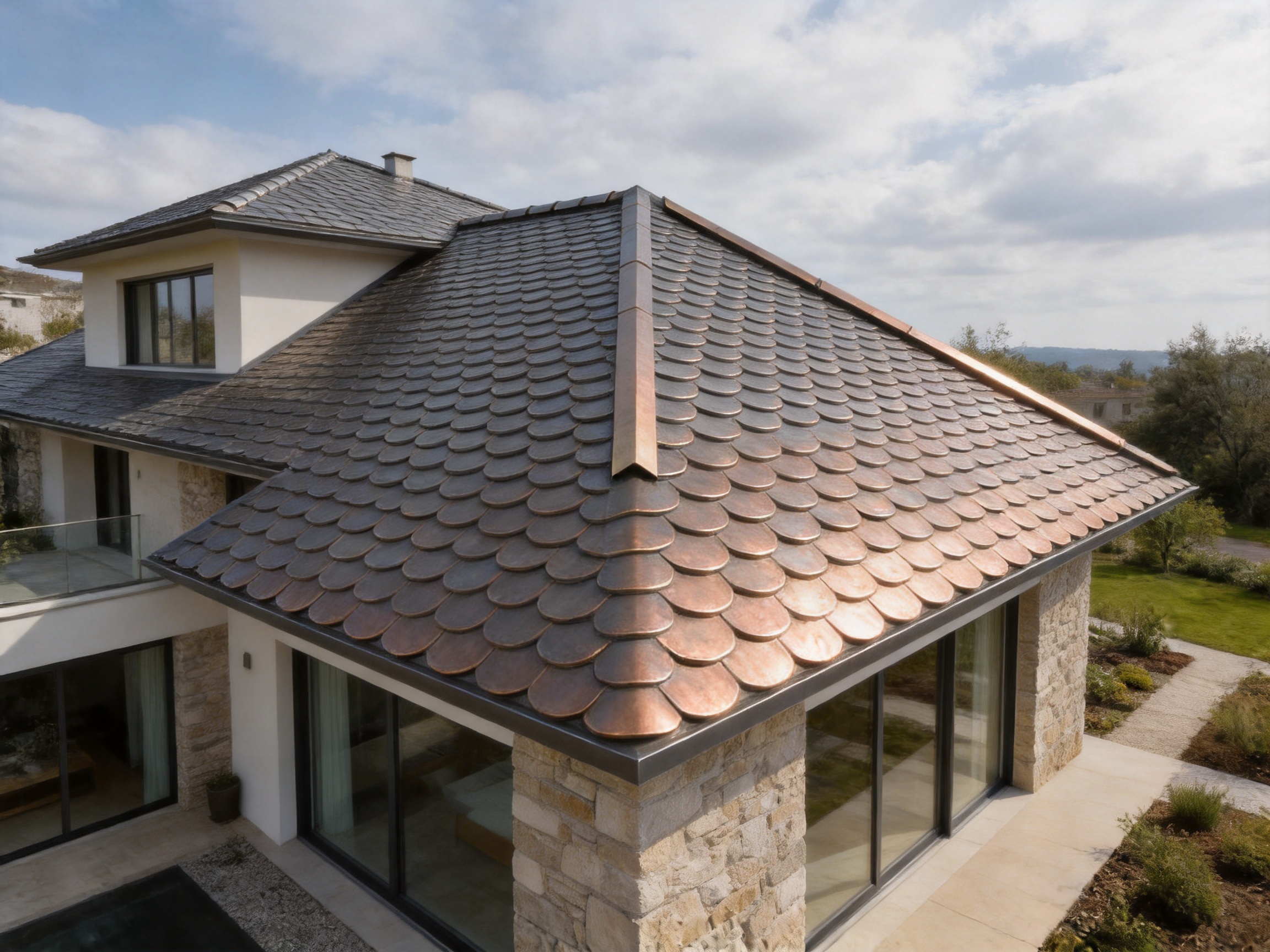
The 210 Model Square Metal Roofing Tile is developed to meet these demands. Classified as a flat lock metal panel, this product creates a layered fish-scale or dragon-scale appearance when installed. Its compact square format allows designers to form highly expressive roof surfaces while retaining the strength and functional performance associated with modern metal roofing systems. The tile can be used on conventional pitched roofs as well as on complex architectural surfaces, including curved, fan-shaped, domed, and other irregular forms.
Unlike large-format roofing sheets that may create a repetitive industrial appearance, the 210 Model Square Metal Roofing Tile produces a fine-grained visual rhythm. Each unit contributes to a continuous pattern, giving the roof depth, texture, and a distinctive architectural presence. This makes the product especially suitable for villas, galleries, theaters, amusement parks, cultural buildings, and other projects where roof appearance is an important part of the design concept.
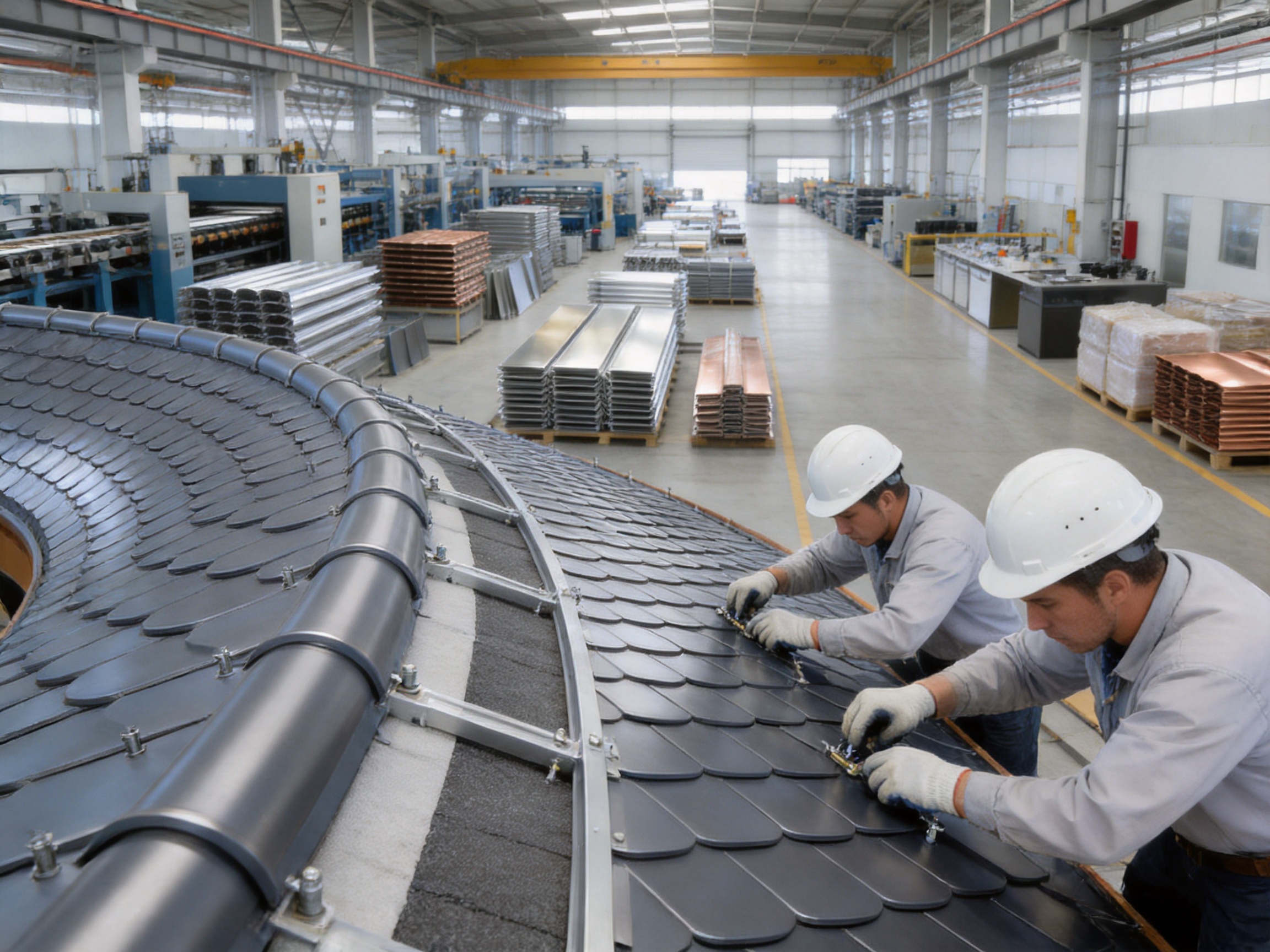
The product is manufactured and supplied by Suzhou Donghong Metal Materials Technology Co., Ltd., a China-based metal roofing and wall-materials enterprise located in Taicang, Suzhou, near Shanghai. The company integrates research and development, manufacturing, processing, design support, construction, installation, and after-sales maintenance. This integrated capability allows customers to obtain more than individual roofing components. They can receive coordinated technical assistance and a complete metal enclosure solution from material selection through project completion.
Product Overview
The 210 Model Square Metal Roofing Tile is a small-format metal roofing component with a standard size of 210 millimeters by 210 millimeters. Custom dimensions can also be considered according to project requirements, design drawings, material selection, and installation conditions. The product is available in several thickness options, including 0.5 millimeters, 0.6 millimeters, 0.7 millimeters, 0.8 millimeters, 0.9 millimeters, 1.0 millimeters, and 1.2 millimeters.
Depending on the architectural, environmental, and budgetary requirements of a project, the tile can be produced using aluminum alloy, titanium-zinc alloy, or copper. These materials provide different combinations of weight, corrosion resistance, surface character, service life, and natural aging behavior. The availability of multiple material choices helps architects and contractors select a roofing system that matches the building’s appearance and performance objectives.
The product’s surface arrangement imitates traditional dragon scales or fish scales. The finished roof has a strong sense of layering, and the overlapping units create a visually rich pattern. This appearance can recall traditional architectural craftsmanship while using contemporary metal fabrication technology. As a result, the product is suitable for projects that seek a historical, artistic, natural, or highly decorative architectural expression.
The roofing tile uses concealed fasteners or support fixation. Because the fastening points are hidden beneath or within the interlocking arrangement, the exposed surface does not require visible nail holes. This improves the visual continuity of the roof and reduces one of the common weak points associated with exposed mechanical fastening. Fewer exposed perforations also help reduce the risk of water entering through fastener holes when the roof is correctly designed and installed.
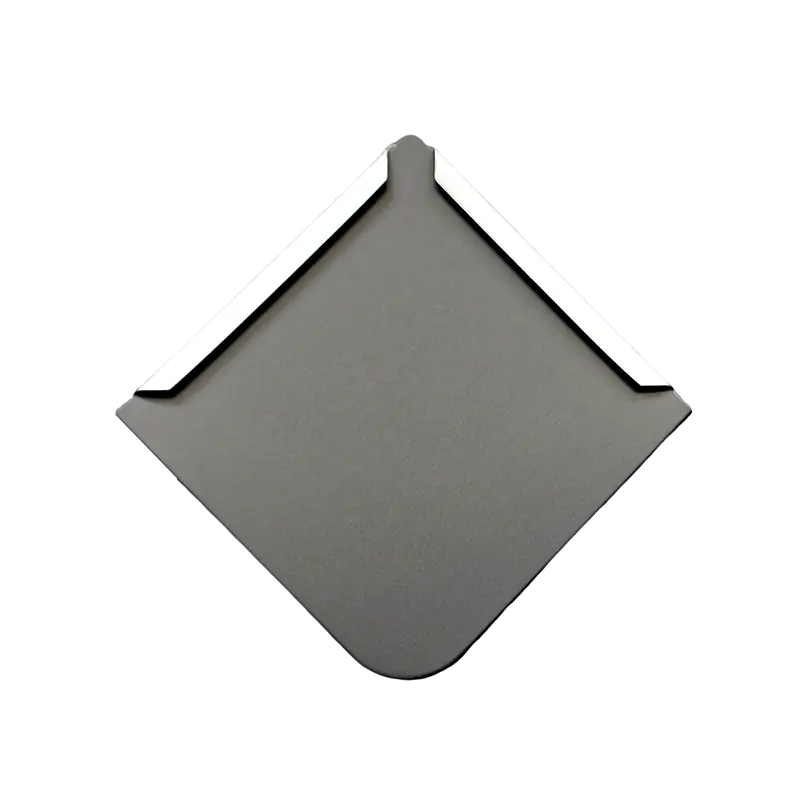
210 Model Square Metal Roofing Tile
Distinctive Fish-Scale and Dragon-Scale Appearance
The primary visual advantage of the 210 Model Square Metal Roofing Tile is its distinctive overlapping pattern. The small square modules are arranged to create a fish-scale effect that is both decorative and structurally purposeful. The repeated units provide a clear direction and rhythm across the roof while allowing the roof surface to follow changing curves and transitions.
This appearance is particularly valuable for architectural projects that require a stronger visual identity than ordinary corrugated sheets or large standing seam panels can provide. A conventional sheet may offer excellent coverage and functional performance, but its broad and continuous surface can appear plain when used on prominent public buildings. The 210 Model Square Metal Roofing Tile introduces a more detailed architectural texture without sacrificing the benefits of metal construction.
The dragon-scale design can complement traditional architecture, contemporary interpretation of heritage forms, resort architecture, themed commercial developments, and artistic structures. It can be specified for a complete roof or used selectively on turrets, entrance structures, decorative roof edges, domes, canopies, and feature surfaces. This flexibility enables designers to use the product as both a protective roof covering and a visible architectural finish.
The layered arrangement also creates natural highlights and shadows. As daylight changes, the roof surface can display different levels of contrast and depth. This effect is especially noticeable on curved roofs, where the overlapping units follow the geometry of the structure and create a dynamic appearance. The result is a roof that can look refined and expressive from both close range and a distance.
Material Options for Different Project Requirements
Aluminum Alloy
Aluminum alloy is a practical option for projects that prioritize low structural weight, corrosion resistance, and ease of forming. Its relatively light weight can reduce the load transferred to the supporting structure, which may be valuable for renovation work, lightweight roof systems, complex roof shapes, and projects where transportation and handling efficiency are important.
Aluminum alloy also offers good resistance to many atmospheric conditions. When properly selected, fabricated, and installed, it can provide a durable roofing surface with relatively low maintenance requirements. Its formability makes it suitable for producing small-format components and for accommodating architectural details that would be difficult to achieve with heavier or less workable materials.
Titanium-Zinc Alloy
Titanium-zinc alloy is associated with premium metal roofing and architectural cladding applications. It offers a distinctive metallic appearance and can develop a natural protective surface over time, depending on the environmental conditions and exposure. This changing surface character can contribute to the long-term visual identity of a building.
The material is suitable for projects where designers want a refined, high-end finish combined with durability and design flexibility. Titanium-zinc alloy can be especially effective on cultural buildings, institutional structures, premium residential projects, and architectural developments where the roof is intended to mature naturally with the building.
Copper
Copper provides a recognizable architectural appearance and a long history of use in roofing and ornamental construction. Its warm metallic color can create a strong visual contrast with masonry, glass, timber, and painted surfaces. Over time, copper may develop a changing patina, giving the roof a unique and evolving character.
Copper is appropriate for projects that value material authenticity, traditional appearance, and long-term architectural expression. It may be selected for heritage-inspired buildings, art facilities, luxury developments, ceremonial structures, and feature roofs. The choice of copper should be coordinated with the project’s budget, surrounding materials, drainage details, and aesthetic objectives.
Performance Advantages
Lightweight Construction
Metal roofing tiles generally provide a favorable strength-to-weight ratio. The 210 Model Square Metal Roofing Tile is designed to offer a lightweight alternative to many traditional heavy roof coverings. Lower weight can simplify transportation, on-site handling, and installation. It can also reduce the demand placed on roof framing, especially when the product is used as part of a properly engineered system.
Lower roof weight may be particularly valuable in renovation projects, additions, buildings with limited structural capacity, and architectural designs that require complex supporting geometries. However, final structural design should always be completed by qualified professionals according to local codes, wind conditions, snow loads, seismic requirements, and the complete roof assembly.
Strength and Durability
Although the product is lightweight, the selected metal materials provide useful mechanical strength and durability. The range of available thicknesses enables the roof system to be matched to project conditions. Thinner options may be suitable for certain lightweight applications, while thicker options can be considered where additional rigidity, impact resistance, or design requirements apply.
Metal roofing does not depend on brittle ceramic or cement-based units for its basic performance. When correctly supported and installed, it can resist normal service conditions and maintain its functional role for many years. The precise performance will depend on the selected alloy, thickness, support spacing, detailing, surface treatment, climate, maintenance, and installation quality.
Water Resistance
A major purpose of any roofing system is to control rainwater. The overlapping structure of the square metal tiles creates a layered drainage path, while concealed fasteners help limit exposed penetrations. When the supporting structure, underlayment, flashing, valleys, ridges, and edge details are correctly designed, the system can provide reliable protection against water intrusion.
The absence of visible nail holes also contributes to a cleaner surface and reduces locations where water might enter through poorly sealed perforations. Concealed fixing does not eliminate the need for proper waterproofing design, but it can improve the overall integrity of the roof surface compared with systems that rely heavily on exposed fasteners.
Wind Resistance
Roof coverings must be designed to withstand wind pressure and suction. The 210 Model Square Metal Roofing Tile uses concealed fasteners or support fixation to secure the panels to the roof structure. Correct fastening patterns, edge treatments, substrate preparation, and detailing are essential for achieving the desired wind performance.
Small-format units can offer useful design flexibility around roof edges, transitions, curved zones, and irregular geometries. Nevertheless, wind resistance must be verified according to the building location, roof height, exposure category, local standards, and engineering calculations. The product’s installation system should be selected to suit the actual project rather than treated as a one-size-fits-all solution.
Fire Resistance
Metal is a non-combustible roofing material in many standard classifications, although the complete roof assembly must be evaluated as a system. The substrate, insulation, membranes, coatings, sealants, and adjacent materials can all influence fire performance. The use of metal roofing can support fire-conscious design, particularly when the roof assembly is specified and tested in accordance with applicable regulations.
Corrosion Resistance
Aluminum alloy and titanium-zinc alloy are widely selected for their resistance to atmospheric corrosion, while copper has its own long-established performance characteristics. Material selection should take account of the local climate, industrial exposure, coastal conditions, pollution levels, drainage water, and contact with dissimilar metals.
Proper detailing is essential to preserve corrosion resistance. Designers should consider separation between incompatible metals, suitable fasteners, water runoff paths, cut edges, sealants, and locations where debris or moisture may accumulate. Regular inspection can help identify unusual staining, mechanical damage, blocked drainage, or other conditions that may affect long-term performance.
Design Flexibility for Complex Roof Forms
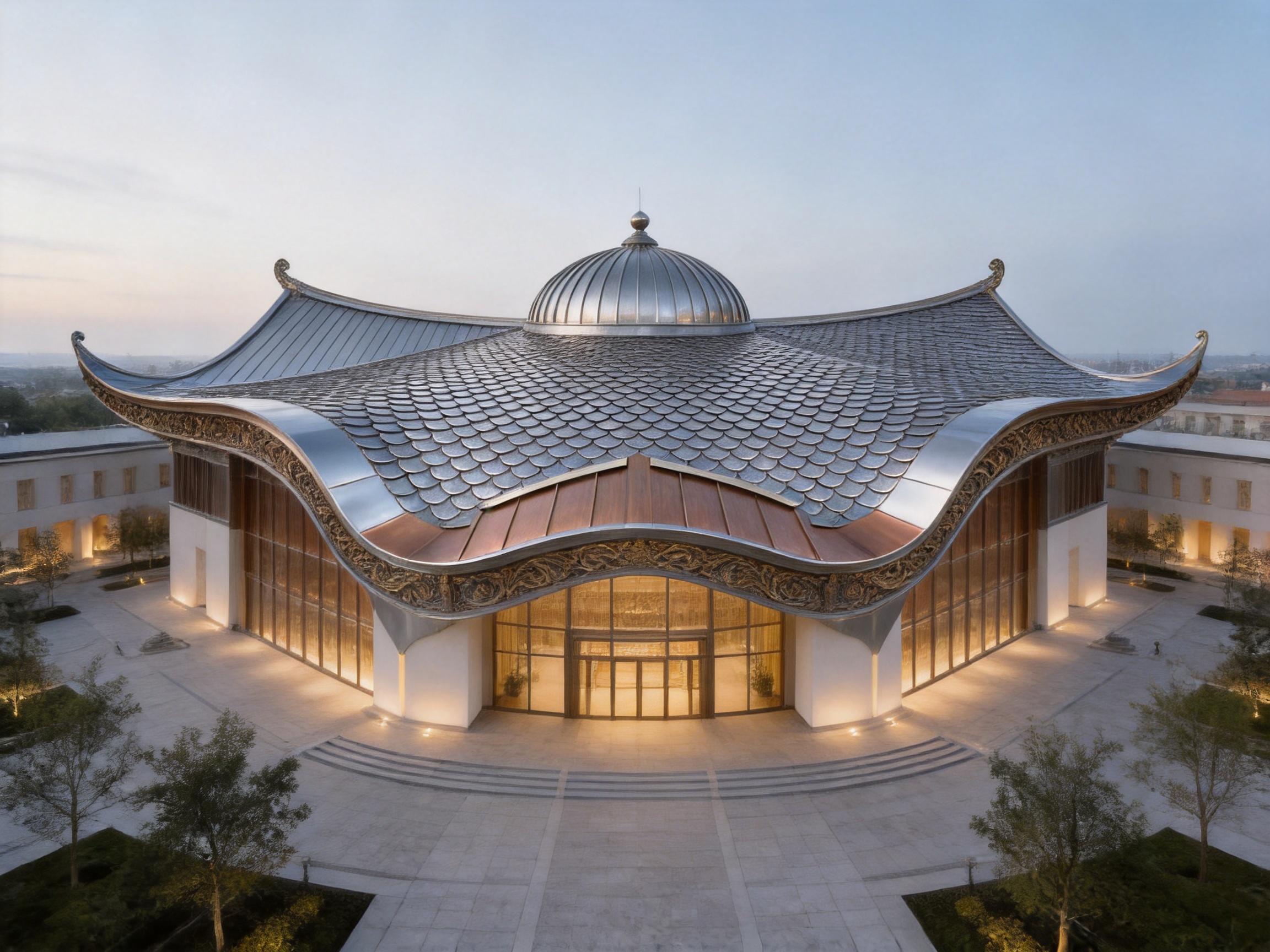
One of the strongest advantages of the 210 Model Square Metal Roofing Tile is its ability to support complex roof geometries. Large rigid panels can be difficult to use on domes, cones, fan-shaped surfaces, curved transitions, and irregular architectural forms. Small square tiles can be arranged progressively, allowing the roof covering to adapt more naturally to changes in curvature and direction.
This flexibility provides architects with greater freedom when developing expressive roof concepts. The product can be considered for arcs, fans, domes, curved eaves, ornamental towers, entrance roofs, and sculptural building forms. It can also help solve situations where a roof contains several intersecting planes or changes gradually from one geometry to another.
Using small-format units may reduce the visual difficulty of managing compound curves. Instead of forcing a large sheet to conform to a complicated surface, installers can place smaller components in a coordinated sequence. This approach can improve the appearance of transitions and allow the roof pattern to remain consistent across different areas.
Design flexibility does not mean that every shape can be produced without engineering review. Complex roofs require accurate digital or physical modeling, detailed shop drawings, carefully coordinated substructures, and controlled installation procedures. The manufacturer’s design and drawing-refinement capabilities can help convert architectural concepts into practical roof layouts.
Comparison with Common Roofing Alternatives
Compared with Conventional Large-Format Metal Sheets
Large-format metal sheets are efficient for covering broad, simple roof planes. They can offer fast installation and a relatively low number of joints. However, their appearance may be less suitable for projects seeking a decorative, finely textured, or traditional roof surface. Their limited adaptability can also make complex curves and irregular shapes more challenging.
The 210 Model Square Metal Roofing Tile offers a more detailed appearance and greater modular flexibility. Its compact units can follow architectural contours and create a fish-scale pattern that is difficult to reproduce with standard corrugated or flat sheets. The trade-off is that small-format systems may require more layout planning and installation coordination, making professional preparation especially important.
Compared with Exposed-Fastener Roofing
Exposed-fastener systems display screw heads or nail heads on the roof surface. While these systems can be economical and straightforward to install, visible fasteners may affect the appearance and create potential maintenance points as seals age or fasteners loosen. The 210 Model Square Metal Roofing Tile uses concealed fasteners or support fixation, resulting in a cleaner surface with no exposed nail holes.
The concealed approach is particularly valuable for high-visibility roofs. It supports a continuous visual pattern and can reduce the number of visible penetrations through the weathering surface. Correct installation remains essential because hidden fixings must be accurately positioned and securely connected to the supporting structure.
Compared with Heavy Traditional Tiles
Traditional clay, concrete, or stone tiles can provide an attractive and familiar appearance, but they may impose a substantial load on the roof structure. They may also be more vulnerable to cracking, breakage, or difficult handling during transportation and installation.
Metal tiles provide a lighter alternative while allowing designers to achieve a layered or traditional visual effect. Their material strength, compact form, and ability to cover curved areas can create advantages for architectural projects with unusual roof designs. The final selection should consider thermal performance, acoustic requirements, local traditions, fire regulations, and the complete roof assembly.
Compared with Generic Decorative Panels
Some decorative roofing products prioritize appearance without providing a fully developed concealed-fixing or drainage strategy. The 210 Model Square Metal Roofing Tile is designed as a functional metal roofing component rather than a purely ornamental surface. Its material options, thickness range, concealed-fixing approach, and compatibility with professional roof-system design allow visual quality and practical performance to be considered together.
Manufacturing Capabilities and Quality-Oriented Production
The performance of a metal roofing product depends not only on the material specification but also on manufacturing accuracy. Small-format tiles must maintain consistent dimensions, clean edges, reliable interfaces, and controlled surface quality. Variations in size or shape can affect alignment, overlap, drainage, and the appearance of the completed roof.
Suzhou Donghong Metal Materials Technology Co., Ltd. combines product development, manufacturing, processing, design support, and installation services. This integrated structure allows technical knowledge from construction projects to inform the manufacturing process. It also helps the company understand how component tolerances, support arrangements, and site conditions affect the finished result.
The company operates a production area of approximately 10,000 square meters and reports a monthly production capacity of more than 100,000 units. With more than 200 experienced workers, the organization is positioned to support both standard product orders and larger project-based requirements. Production planning can be coordinated with material selection, drawing confirmation, packaging, delivery, and installation scheduling.
Manufacturing strength is especially important for architectural roofing systems because a project may require many individual components, including field tiles, edge pieces, ridge treatments, valley details, transition pieces, and specially formed areas. A coordinated supplier can help reduce inconsistencies between different components and support a more unified project result.
Material Processing
The company’s work with aluminum-magnesium-manganese systems, titanium-zinc materials, copper, profiled steel sheets, and other metal enclosure products provides a broad technical foundation for the 210 Model Square Metal Roofing Tile. Different metals require different forming, handling, storage, fastening, and detailing practices. Familiarity with these material characteristics supports more appropriate production and installation decisions.
Material processing must protect the metal surface from scratches, distortion, contamination, and unnecessary handling damage. This is particularly important for premium materials such as titanium-zinc alloy and copper, where surface appearance contributes strongly to architectural quality. Proper packaging and site handling are also part of preserving the finished product.
Drawing Refinement and Technical Coordination
Complex roof systems require more than a product catalog. They require clear drawings showing module orientation, setting-out lines, support positions, overlaps, edges, valleys, ridges, penetrations, and transitions. Donghong provides drawing refinement and consultation services to help customers develop practical details from architectural concepts.
Drawing refinement can identify potential conflicts before production begins. It may help coordinate roof geometry with structural framing, drainage, insulation, ventilation, skylights, mechanical penetrations, and adjacent wall systems. Better coordination can reduce site modifications, material waste, installation delays, and visual inconsistencies.
Production Capacity and Project Support
A company with established production capacity can support consistent supply for projects that require large quantities or phased deliveries. Monthly capacity of more than 100,000 units can be useful for developments involving multiple buildings, repeated roof modules, or large public structures.
Production capacity alone is not sufficient. It must be supported by experienced personnel, quality controls, clear communication, packaging procedures, and project scheduling. Donghong’s combination of manufacturing, design, construction, and after-sales capabilities provides a foundation for managing these interconnected requirements.
Installation and System Coordination
The 210 Model Square Metal Roofing Tile should be installed as part of a complete roof assembly. The supporting deck or substructure must be stable, accurately aligned, and capable of receiving the specified fixing system. The installation design should consider the roof pitch, drainage path, ventilation strategy, underlayment, insulation, flashings, penetrations, and perimeter conditions.
Before installation, the roof base should be checked for dimensional accuracy and readiness. Setting-out lines are important because the fish-scale pattern depends on consistent alignment. Small deviations at the beginning of the installation can become more visible as the work progresses across the roof.
Concealed fastening requires careful sequencing. Installers must understand how each tile connects to the support system and how the next course covers the fixing area. Fasteners should be selected for compatibility with the chosen metal and the environmental conditions. Where dissimilar metals are present, suitable isolation measures may be needed to reduce galvanic corrosion.
Roof edges, ridges, valleys, eaves, wall junctions, and penetrations require special attention. These areas are exposed to concentrated water flow and wind pressure. They also have a strong influence on the visual quality of the completed roof. Custom components or carefully detailed transitions may be required to maintain both weather resistance and pattern continuity.
For curved or irregular roofs, installation should follow approved shop drawings and a defined sequence. Temporary supports, templates, or controlled measurement procedures may be useful. Professional installation is recommended because the final performance depends on the relationship between the individual tiles, support fixation, roof geometry, and drainage details.
Applications in Architecture
Villa Roofing
Private villas often use roof design to express individuality and a connection with regional architectural traditions. The fish-scale pattern of the 210 Model Square Metal Roofing Tile can provide a refined alternative to ordinary roof sheets while remaining lighter than many traditional tile systems. It can be used on main roofs, decorative gables, entrance canopies, towers, and curved feature elements.
Art Galleries and Cultural Buildings
Art galleries, museums, and cultural facilities often require architecture that communicates creativity and permanence. A metallic scale pattern can reinforce the building’s artistic identity. Aluminum alloy may provide a contemporary appearance, while titanium-zinc alloy or copper can offer a more prestigious or naturally changing surface character.
Theaters and Performance Venues
Theaters and performance venues frequently include dramatic roof forms, sweeping curves, domes, or feature entrances. The small-format design of the 210 Model Square Metal Roofing Tile can support these geometries while creating a roof surface that remains visually engaging under changing daylight and artificial illumination.
Amusement Parks and Themed Developments
Amusement parks and themed commercial projects benefit from recognizable architectural forms. Fish-scale or dragon-scale roofing can support fantasy, historical, natural, or cultural design themes. The product’s color and material options can be coordinated with façades, towers, pavilions, and other themed elements.
Decorative and Irregular Roof Structures
The product is also suited to smaller architectural features, including domes, arc roofs, fan-shaped roofs, entrance structures, ornamental pavilions, and complex transition zones. Its modular format allows designers to use it where conventional sheet materials would require excessive cutting or would not produce the desired appearance.
Color, Finish, and Architectural Coordination
Color selection can significantly influence the character of a metal roof. Rich colors may reinforce a traditional or decorative concept, while natural metallic finishes can highlight the material itself. The appropriate choice depends on the façade, surrounding landscape, roof geometry, local climate, and desired relationship between the building and its context.
For a visually complex fish-scale pattern, color consistency and installation order are important. The roof should be reviewed under different lighting conditions because overlapping units can create variations in shade and reflection. If multiple materials or colors are used, the transition should be clearly defined in the design drawings.
Natural metal materials may change appearance over time. Copper and titanium-zinc alloy can develop surface character through weathering, while aluminum alloy may retain a more consistent appearance when supplied with a suitable finish. The expected aging process should be discussed with the design team and building owner before material approval.
Sustainability and Long-Term Value
Durable roofing materials can contribute to sustainable construction by reducing replacement frequency and conserving the resources associated with repeated demolition, transportation, and installation. The 210 Model Square Metal Roofing Tile is made from durable metals that can support long-term building performance when correctly specified and maintained.
Its lightweight nature can also reduce transportation and structural demands compared with heavier roof coverings. The actual environmental benefit depends on the material source, manufacturing energy, transportation distance, service life, maintenance, and end-of-life recovery. Metal materials are generally well suited to recycling pathways, although project-specific recycling arrangements should be confirmed.
Long-term value also includes design durability. A roof that remains visually relevant and technically serviceable for many years can reduce the pressure to remodel or replace the building envelope for purely aesthetic reasons. The product’s distinctive but adaptable appearance may help buildings maintain a strong architectural identity over time.
Donghong describes its approach as combining architectural aesthetics, environmental responsibility, and long-lasting quality. Its use of materials such as aluminum-magnesium-manganese and titanium-zinc alloys supports the development of durable building-envelope systems. Sustainability should be assessed across the full product life cycle, including responsible design, efficient manufacturing, installation quality, maintenance, and eventual material recovery.
Maintenance and Service Life Considerations
Metal roofing generally requires less routine maintenance than many fragile or highly porous roofing materials, but no roof should be neglected. Periodic inspections can identify blocked drainage, accumulated leaves, mechanical damage, loose accessories, sealant deterioration, unusual corrosion, or changes around penetrations.
Cleaning procedures should be compatible with the selected metal and surface finish. Harsh chemicals, abrasive tools, or incompatible cleaning agents may damage the surface. Maintenance personnel should follow the manufacturer’s recommendations and avoid creating scratches or dents during access and cleaning operations.
Snow, ice, coastal salt, industrial pollutants, and tree debris may increase maintenance requirements. Drainage paths should remain clear, particularly around valleys, gutters, eaves, and roof transitions. Any work carried out by other trades should be coordinated so that tools, materials, and temporary supports do not damage the roof tiles.
A well-designed and professionally installed roof can provide a long service life, but the exact duration cannot be guaranteed solely by the product description. Material grade, thickness, environment, fastening, ventilation, drainage, workmanship, and maintenance all influence performance. Project owners should establish an inspection plan appropriate to the building’s location and use.
Technical Specifications
| Parameter | Specification |
|---|---|
| Product name | 210 Model Square Metal Roofing Tile |
| Product category | Flat Lock Metal Panel |
| Standard product size | 210 mm × 210 mm |
| Custom sizing | Available according to project requirements |
| Available thicknesses | 0.5 mm, 0.6 mm, 0.7 mm, 0.8 mm, 0.9 mm, 1.0 mm, 1.2 mm |
| Material options | Aluminum alloy, titanium-zinc alloy, copper |
| Fastening method | Concealed fasteners or support fixation |
| Visual effect | Fish-scale or dragon-scale layered appearance |
| Suitable roof forms | Standard pitched roofs, arcs, fans, domes, and irregular curved surfaces |
| Typical applications | Villas, art galleries, theaters, amusement parks, cultural buildings, and decorative structures |
Why Choose This Product for a Competitive Roofing Project?
The 210 Model Square Metal Roofing Tile combines several advantages that are not always available in one roofing product. It offers a distinctive decorative appearance, lightweight metal construction, multiple material choices, concealed fastening, corrosion resistance, and adaptability to complex surfaces. This combination makes it a strong option for projects where both appearance and technical performance are important.
Its compact module allows a designer to create a roof with a strong visual identity without relying on heavy traditional materials. The concealed fastening approach improves the roof’s surface appearance and can reduce the number of visible water-entry points. The range of thicknesses and material options supports different levels of performance, budget, and aesthetic preference.
The product also benefits from the supplier’s broader experience in metal roofing, curtain wall systems, standing seam systems, concealed-lock barrel tiles, external wall insulation, profiled steel sheets, and on-site construction. This wider knowledge can help when a project combines several types of metal enclosure products or requires unusual connections between roof and wall systems.
Another competitive advantage is the availability of integrated services. Customers can seek assistance with technical consultation, drawing refinement, material supply, fabrication, construction, installation, and after-sales maintenance. A coordinated service model can reduce communication gaps between separate suppliers and contractors, particularly on complex or high-visibility projects.
Company Manufacturing and Service Strengths
Suzhou Donghong Metal Materials Technology Co., Ltd. was founded in 2019 and has developed a business covering research and development, production, design, construction, and after-sales support. The company’s location in Taicang, Suzhou, near Shanghai, provides access to established manufacturing, logistics, engineering, and export networks.
The company reports more than 10,000 square meters of production space, more than 200 experienced workers, and a monthly production capacity exceeding 100,000 units. It also reports exports to more than 100 countries. These capabilities indicate experience in serving both domestic and international project requirements, including material coordination, export packaging, technical communication, and delivery planning.
Its professional design team and drawing-refinement capacity are particularly relevant to the 210 Model Square Metal Roofing Tile. Because the product is often used on complex roof forms, the quality of pre-production design coordination can be as important as the physical manufacturing process. Accurate drawings help determine tile orientation, support layouts, special components, transitions, and installation sequences.
The company’s stated values emphasize professionalism, passion, integrity, pragmatism, teamwork, dedication, and innovation. In practical terms, these principles are reflected in the need to communicate clearly, manufacture consistently, provide realistic technical advice, and support customers after delivery. For building-envelope projects, a supplier’s ability to remain involved after production can have an important influence on the final outcome.
Recommended Project Evaluation Process
When considering the 210 Model Square Metal Roofing Tile, the design team should first identify the roof geometry, local climate, structural capacity, drainage strategy, fire requirements, and desired architectural appearance. These factors will influence the choice of material, thickness, support arrangement, and installation details.
The next step is to prepare or review accurate roof drawings. Drawings should include slopes, curves, edges, ridges, valleys, penetrations, adjacent façades, and any areas that require custom components. Early coordination helps the manufacturer confirm whether standard units are sufficient or whether special sizes and formed pieces are needed.
Material samples should be evaluated in natural and artificial light. The design team should also consider how the selected alloy may change over time. Sample review can help confirm color, reflectivity, texture, surface character, and compatibility with other building materials.
A project-specific installation plan should then be developed. This plan should address substrate preparation, setting out, concealed fixing, joint arrangement, perimeter detailing, water management, safety, access, and inspection. For curved or unusual roofs, mock-ups can help confirm the appearance and construction sequence before full installation begins.
Questions and Answers
What is the 210 Model Square Metal Roofing Tile?
It is a small-format flat lock metal panel with a standard size of 210 millimeters by 210 millimeters. When installed in overlapping courses, it produces a fish-scale or dragon-scale appearance. It is designed for both functional roofing and decorative architectural applications.
What materials are available?
The product can be supplied in aluminum alloy, titanium-zinc alloy, or copper. Each material offers different characteristics related to weight, appearance, corrosion resistance, aging, cost, and architectural expression.
What thicknesses can be selected?
Available thicknesses include 0.5 millimeters, 0.6 millimeters, 0.7 millimeters, 0.8 millimeters, 0.9 millimeters, 1.0 millimeters, and 1.2 millimeters. The appropriate thickness should be selected according to the project’s structural, environmental, and design requirements.
Are the fasteners visible?
The product uses concealed fasteners or support fixation. The installation is designed so that the roof surface does not have exposed nail holes, creating a cleaner appearance and reducing the risk associated with exposed perforations.
Can it be used on curved roofs?
Yes. Its small modular format makes it suitable for arcs, fan-shaped surfaces, domes, and other irregular roof geometries. Complex projects still require accurate drawings, structural coordination, and professional installation.
Is the product suitable for high-end architectural projects?
Yes. Its distinctive appearance, material options, concealed fastening, and ability to follow complex forms make it suitable for villas, galleries, theaters, cultural buildings, amusement parks, and other projects where architectural quality is important.
How does it compare with conventional corrugated metal roofing?
Corrugated roofing is often efficient for broad, simple roof planes, but it usually provides a more utilitarian appearance and may be less flexible on complex shapes. The 210 Model Square Metal Roofing Tile provides a more detailed fish-scale pattern and greater modular adaptability.
How does it compare with heavy traditional tiles?
Metal tiles are generally lighter and easier to handle than many clay, concrete, or stone roofing products. They can provide a traditional or decorative appearance while reducing roof weight. The complete structural and environmental requirements should still be evaluated for each project.
Does the roof require regular maintenance?
Routine inspection is recommended. Owners should check drainage paths, edges, penetrations, fasteners, sealants, surface condition, and areas where debris may accumulate. Maintenance procedures should be compatible with the selected metal and finish.
Can custom sizes be produced?
Custom sizes can be considered according to project requirements. Customization should be reviewed during the drawing and technical coordination stage so that dimensions, supports, overlaps, and installation procedures remain consistent.
Can the manufacturer provide installation support?
The company provides construction and installation services in addition to design consultation, drawing refinement, material supply, and after-sales maintenance. The exact scope should be confirmed for each project.
What types of buildings are most suitable for this product?
The product is suitable for villas, art galleries, theaters, amusement parks, cultural buildings, public structures, feature roofs, domes, pavilions, and other buildings requiring a decorative and adaptable metal roofing system.
Conclusion
The 210 Model Square Metal Roofing Tile offers a distinctive approach to contemporary metal roofing. Its fish-scale or dragon-scale appearance provides depth, rhythm, and architectural character, while its metal construction delivers lightweight performance, strength, water resistance, fire resistance, corrosion resistance, and long-term durability.
Its concealed fastening system eliminates exposed nail holes and supports a clean, continuous roof surface. The availability of aluminum alloy, titanium-zinc alloy, and copper allows the product to respond to different design intentions and environmental requirements. Multiple thickness options and customizable dimensions provide additional flexibility for project-specific solutions.
The product is especially valuable where conventional large-format sheets or heavy traditional tiles cannot provide the desired combination of appearance and adaptability. Its compact units can follow arcs, fans, domes, and irregular roof forms, making it suitable for expressive architecture and challenging building geometries.
Behind the product is an integrated manufacturer with capabilities in research and development, metal processing, manufacturing, drawing refinement, technical consultation, construction, installation, and after-sales service. With a substantial production area, experienced personnel, high monthly output, international export experience, and a broad range of metal enclosure products, Suzhou Donghong Metal Materials Technology Co., Ltd. can support customers from early design development through project completion.
For architects, developers, contractors, and material distributors seeking a roof that combines decorative impact with practical metal-roofing performance, the 210 Model Square Metal Roofing Tile provides a versatile and professionally supported option. Its success in any project will depend on correct material selection, accurate engineering, coordinated detailing, skilled installation, and appropriate maintenance.
References
1. Architectural Metal Roofing Design and Installation Principles. Technical reference for metal roof planning, detailing, fastening, drainage, and maintenance.
2. Building Envelope Materials and Systems. General reference covering the performance of metal roofing, wall systems, flashings, joints, and weather protection.
3. Guidelines for Aluminum Alloy Roofing Applications. Reference material concerning aluminum roofing properties, forming, corrosion considerations, and installation practice.
4. Titanium-Zinc Architectural Roofing Practice. Reference material covering titanium-zinc material behavior, natural surface development, detailing, and compatibility considerations.
5. Copper Roofing and Architectural Metalwork Principles. Reference material concerning copper appearance, weathering, design coordination, and long-term maintenance.
6. International Practices for Concealed-Fastener Roofing Systems. General reference for concealed fixing, support coordination, water management, and roof-edge detailing.
7. Sustainable Building Envelope Design. Reference material concerning durability, material efficiency, service life, maintenance, recycling, and life-cycle considerations.
8. Product specifications and company information supplied for the 210 Model Square Metal Roofing Tile.
Product: 210 Model Square Metal Roofing Tile
Recommended Products
News
-
-
Over the past few decades, metal roofing has evolved from a niche industrial product into one of the most sought-after building envelope solutions worldwide. Architects, developers, and homeowners al...
READ MORE -
Aluminium shingles roofing is one of those materials that sounds simple until you start comparing profiles, thicknesses, coatings, and fastening methods. A metal shingle is not one product; it is a f...
READ MORE -
A science museum project featuring Donghong Metal's aluminum-magnesium-manganese fish-scale roof tiles, together with full technical support from our team, has recently been completed. Covering roughl...
READ MORE

 DOWNLOAD
Copyright © Suzhou Donghong Metal Materials Technology Co., Ltd.
All Rights Reserved.
 Custom Metal Roofing Sheets Manufacturers


QUICK LINKS
PRODUCT
CONTACT US
-
 Email: DonghongMetal@outlook.com
-
 WahtsApp: +86 18036113307
-
 Mobile Phone: +86-185 5030 2515
-
 WhatsApp Business: 852-55025164
-
 Address: No. 16 Hongyun Road, Fuqiao Town, Taicang City, Suzhou, Jiangsu Province, China